The Complete Guide to the Square Root of Three in Power Calculations
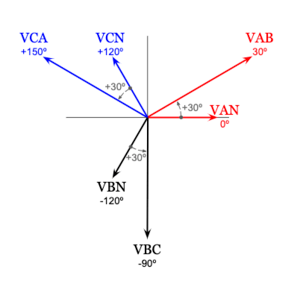
Zach Stone, P.E. contacted me after I (Chris Werstiuk writing right now) posted my recent “Understanding the Great Leading vs. Lagging Power Debate” post because I had incorrectly defined Apparent Power. Thanks to his keen eye and knowledge on the subject, no-one who purchased The Relay Testing Handbook: Generator Relay
New Online Seminar for Overcurrent Testing is Now in Production
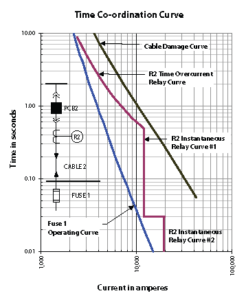
We should have started this several months ago, but we’re on task now and the amount of content has already doubled since we first envisioned what this seminar would look like. It looks like we’ll cover over 40 hours of content for this online seminar about overcurrent testing. If the
Testing Loss-of-Field / Loss-of-Excitation Elements (40)
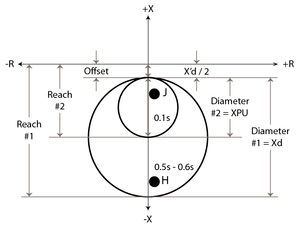
“Why did my 40-Element test fail?” is probably the most common question I get asked about generator protection. The first question I ask is, “What kind of fault are you trying to simulate?” The second question is, “Where are the test currents in relation to their voltages?” If you truly
Understanding the Great Leading vs. Lagging Power Debate
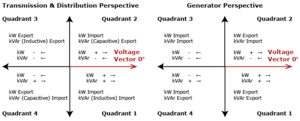
I once watched two engineers/technicians argue for two hours about what power definitions should be displayed on a HMI interface. One of them argued that VARs were being EXPORTED during lagging conditions, so a lagging current should be shown as POSITIVE VARS and Power Factor! The other argued that VARs
How to Test Breaker Failure Element Logic
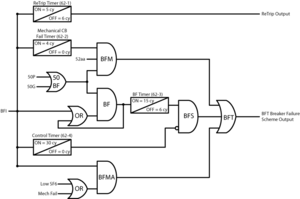
I presented a “Testing Breaker Failure Schemes” paper at the 36th Annual Hands-On Relay School in 2019. This post is the second part of the paper that will give step-by-step test plans to help you test Breaker Failure Schemes. I highly recommend you read: Part 1 of the series first
How to Test Breaker Failure Schemes
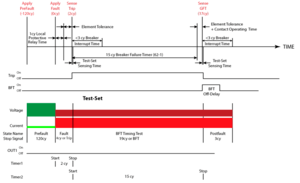
I presented a “Testing Breaker Failure Schemes” paper at the 36th Annual Hands-On Relay School in 2019. This post is the second part of the paper that will give step-by-step test plans to help you test Breaker Failure Schemes. I highly recommend you read Part 1 of the series first
